
Blog
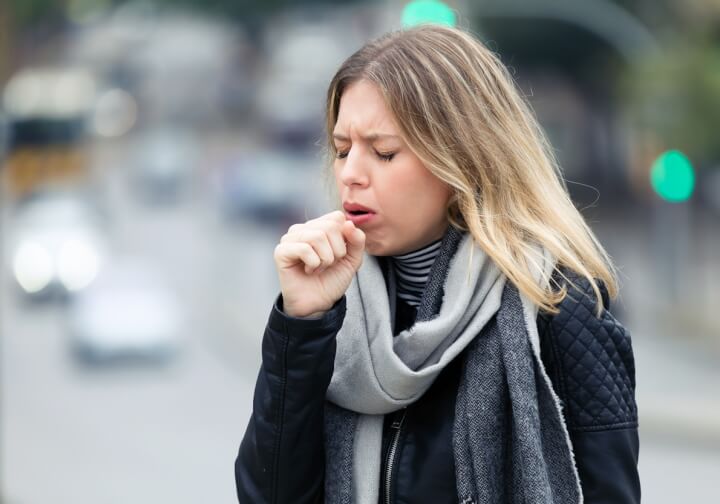
When to see a doctor if you have a cough
Coughing is one of the most common symptoms of respiratory tract diseases and is usually a defense mechanism of the body. Coughing helps remove mucus, irritants, or pathogens (bacteria, viruses, etc.) from the respiratory tract. However, there are situations when coughing is not trivial, and it is important not to underestimate the warning signs.
This article will help you distinguish between when you can treat a cough at home and when it is appropriate to see a doctor.
Why do we cough?
Coughing is caused by irritation of receptors in the respiratory tract. It can be triggered by infection, inflammation, allergies, dry air, smoke, or even more serious illnesses.
We distinguish between:
-
acute cough: lasts up to 3 weeks
-
subacute cough: 3 to 8 weeks
-
chronic cough: longer than 8 weeks
The duration of the cough is one of the main indicators for determining whether the situation is serious.
When is a cough usually harmless?
In most cases, it is not necessary to see a doctor immediately if:
-
the cough lasts for a short time (a few days),
-
it is associated with a runny nose or sore throat,
-
you have no fever or only a mild one,
-
you feel relatively well overall,
-
the cough is gradually getting better.
These are typically common viral infections, colds, or irritation of the respiratory tract caused by cold air.
Warning signs: when not to underestimate a cough
You should contact your general practitioner if any of the following symptoms appear:
Duration and nature of the cough
-
the cough lasts longer than 3 weeks,
-
the cough is getting worse instead of better,
-
nighttime coughing that wakes you up.
Accompanying symptoms
-
fever above 38 °C lasting more than 3 days,
-
shortness of breath, wheezing, feeling of lack of air,
-
chest pain when breathing or coughing,
-
coughing up blood or pink-colored mucus,
-
severe fatigue, weakness, night sweats,
-
unexplained weight loss.
Special groups
Extra caution should be exercised:
-
in children under 1 year of age,
-
in seniors,
-
in people with asthma, COPD, heart disease,
-
in people with weakened immunity,
-
in smokers (especially long-term smokers).
Dry or wet cough
Distinguishing between the types of cough can provide clues about the cause:
Dry cough
-
irritating, without phlegm,
-
typical symptom of viral infections, allergies, or dry air,
-
if it lasts a long time, it may indicate asthma, reflux, or adverse effects of medication.
Wet cough
-
associated with coughing up phlegm,
-
yellow or green phlegm may indicate a bacterial infection,
-
a persistent phlegmy cough requires examination.
Cough and cold: when to be especially alert
If you cough, your symptoms may worsen in winter. This occurs when you are exposed to cold, dry air and physical exertion outdoors.
Seek medical attention immediately if:
-
you experience sudden shortness of breath,
-
your cough is accompanied by rapid breathing,
-
your symptoms worsen with exertion,
-
you have a fever and chills.
When to seek medical attention without delay
Do not hesitate to seek medical attention (or go to the emergency room) if:
-
you are coughing up blood,
-
you are experiencing severe shortness of breath,
-
your cough is accompanied by chest pain,
-
you feel confused or significantly weakened,
-
the patient is a small child, a senior citizen, or a chronically ill person.
Coughing is a common and often harmless symptom, but its duration, intensity, and accompanying symptoms determine its severity. If the cough persists, worsens, or is accompanied by warning signs, it is always best to consult a doctor.
If you know that you often struggle with health problems, you may also consider preventive ways to improve your immunity.
Sources:
Kašel není nemoc. Cit. 22.12.2025. Published on: https://www.cpzp.cz/clanek/3084-0-Kasel-neni-nemoc.html
Andrea Skalická (2015). I banální nemoci mohou zkomplikovat život. Cit. 22.12.2025. Kdy jít k lékaři s kašlem? Published on: https://www.idnes.cz/onadnes/zdravi/kdy-jit-s-kaslem-a-rymou-k-lekari.A151106_114433_zdravi_pet
Kašel není nemoc, ale pouze její projev. Kdy jít s kašlem k lékaři? Cit. 22.12.2025. Published on: https://www.ordinace.cz/clanek/kasel-je-zakladni-obranny-reflex-kdy-jit-s-kaslem-k-lekari/
MUDr. Helena Nováková. Respirační onemocnění: Kdy je nutná návštěva lékaře? Cit. 22.12.2025. Published on: http://detskylekarbrezany.cz/respiracni-onemocneni-kdy-je-nutna-navsteva-lekare/
Dlouhodobý kašel: Kdy začíná a jak ho léčit? Cit. 22.12.2025. Published on: https://www.lecimekasel.cz/dlouhodoby-kasel-kdy-zacina-a-jak-ho-lecit/