
Blog
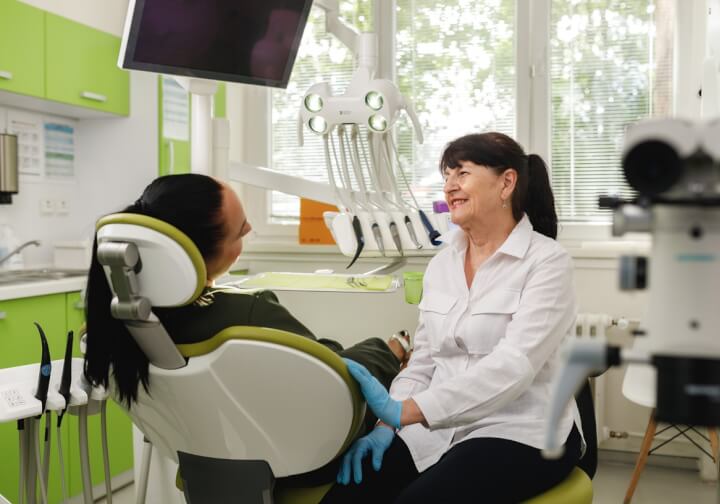
How to find a dentist
Visits to the dentist are stressful for many people, and if they can, they try to avoid them. However, we need to visit the dentist regularly, so logically, we want these visits to be as pleasant as possible. If you are dissatisfied with your dentist, it is perfectly fine to look for a replacement.
Whether you are planning to change your dentist because of long waiting times for appointments, bad experiences with your current care, or simply because you want to find a better professional, the following article will provide you with comprehensive guidance on how to proceed when looking for a new dentist.
Start with yourself: what do you expect from a dentist?
Before you start actively looking for a new dentist, try to answer a few questions first:
What is important to you?
-
Accessibility of the office (close to home/work)
-
Convenient office hours (e.g., after normal working hours)
-
Experience with children/dental hygiene/advanced procedures
-
Friendly approach and communication
-
Price transparency
-
Whether the dentist works with health insurance companies
Clarifying your priorities will help you choose the dentist that best suits your needs and narrow down your selection.
Where to look for a dentist
There are many options for finding a new dentist. Take advantage of public resources such as various databases and reviews, and you can also ask around in your neighborhood.
Online databases and portals
There are several verified sources where you can search for dentists by location, patient ratings, and specialisations, for example:
-
Znamylekar.cz: detailed profiles of doctors with ratings
-
Doktor.cz: reviews, experiences of other patients
-
Google Maps / Mapy.cz: ratings, photos, opening hours
-
health insurance company websites (list of contracted doctors)
Tip: Before choosing a new dentist, be sure to read the reviews. Of course, not every comment is trustworthy, but the summary of experiences will help you get a better picture.
Recommendations from acquaintances and colleagues
-
from family and friends,
-
from colleagues at work,
-
from other specialists you visit.
Personal experience is often the most valuable. Don't hesitate to ask about various details that relate to your personal needs.
Social networks and discussion groups
Many local Facebook groups, community forums, or family portals can provide very up-to-date recommendations and warnings. But again, be careful about the relevance of the comments.
Choosing by specialty
While most people seek out a dentist for routine checkups and treatment, it is worth knowing that there are also specialities:
-
General dentistry: routine care,
-
Dental hygienists: prevention, cleaning, oral hygiene support,
-
Orthodontics: braces, straight smile,
-
Jaw and facial surgery: extractions, implants,
-
Prosthetics: crowns, bridges, dentures,
-
Endodontics: root canal treatment.
If you have special needs (e.g., braces or implants), choose a doctor or clinic that specialises in these areas.
How to prepare for a visit to a new dentist
Before you visit a new dentist for the first time, you can prepare a lot of information in advance to make your first visit more efficient.
Collect your medical records
When changing dentists, it is ideal to have:
-
previous X-rays (OPG, bite-wing images),
-
records of treatments and procedures,
-
a list of medications you are taking,
-
a history of allergies and sensitivities.
The above information will save your new dentist time and unnecessary repeat examinations.
Prepare your questions
Before your visit, write down:
-
what specifically is bothering you,
-
what your expectations are,
-
what your past experience has been.
This will make the consultation meaningful and effective.
What to ask at the first meeting
A good dentist is willing to answer questions such as:
-
What are your approaches to cavity prevention?
-
How often do you recommend check-ups?
-
What is the price range for routine procedures?
-
Do you also provide dental hygiene services?
-
How do you deal with acute conditions (e.g., toothache outside office hours)?
-
What is the procedure for working with insurance companies?
Communication is key; a good dentist will explain procedures clearly and patiently.
How financing works in the Czech Republic
Standard care is covered by health insurance
Regular check-ups, X-rays, minor cavity repairs, and most basic care are covered to a certain extent by the public health insurance system (VZP, ČPZP, RBP, OZP, etc.).
Each insurance company has a list of covered services and their limits.
However, not all dentists work with insurance companies, so make sure to check with your dentist. If they do not work with insurance, you will have to pay for each procedure yourself.
Above-standard services
Some procedures are not fully covered (e.g., ceramic veneers, cosmetic procedures, and some implant procedures).
The dentist or dental office should provide you with a price estimate and price options for individual procedures in advance.
Contract vs. non-contract doctors
-
A contracted dentist has a contract with an insurance company and provides standard care.
-
A non-contracted dentist can provide care beyond the scope of insurance, prices tend to be higher, and the patient pays the entire amount themselves. However, the price is compensated by a very personal approach and increased care. They may also offer various preventive packages or membership programs.
How to test a new dentist
The first checkup and consultation is a great test, during which you can focus on the following points:
-
how the dentist communicates,
-
whether they explain their findings clearly,
-
whether they ask about your concerns,
-
what explanations they offer for treatment and prevention,
-
what the overall atmosphere in the office is like.
Trust is essential. If you don't feel comfortable during your first meeting, you don't have to stay with this dentist and can keep looking.
What to do if you are afraid of the dentist
Fear of the dentist is common, but there are many ways to overcome it:
open communication with the dentist,
-
short, purely informative meetings,
-
dental hygiene without any intervention at first,
-
relaxation techniques before the visit,
-
modern painless methods, sedation, or analgesic sedation.
A great dentist knows how to adapt and create a safe environment even for anxious patients.
Finding a dentist is not just about the address of the office—it's about communication, trust, and a shared goal of caring for your health.
A good search begins with a closer understanding of what you need from a doctor, continues with a quality selection based on recommendations and reviews, and ends with a conscientiously conducted first visit that confirms that you can rely on the doctor.
Sources:
Jak najít lékaře (2020). Cit. 22.12.2025. Published on: https://mzd.gov.cz/jak-najit-lekare/
Kancelář ČSK (2023). Jak najít zubního lékaře. Published on: https://dent.cz/images/Jak%20naj%C3%ADt%20zubn%C3%ADho%20l%C3%A9ka%C5%99e%20-%20bro%C5%BEura.pdf
Známý lékař, Cit. 22.12.2025. Published on: https://www.znamylekar.cz/
Vyhledávání zubních lékařů a poskytovatelů zdravotních služeb v oboru zubní lékařství. 22.12.2025. Published on: https://www.dent.cz/zubni-lekari
Zubní prohlídka u dospělého pojištěnce (2025). 22.12.2025. Published on: https://www.vzp.cz/o-nas/tiskove-centrum/otazky-tydne/zubni-prohlidka-u-dospeleho-pojistence
Česká průmyslová zdravotní pojišťovna, Cit. 22.12.2025. Published on: https://www.cpzp.cz/lekari
Zubní fobie a jak ji překonat (2023). Cit. 22.12.2025. Published on: https://www.doktor.cz/clanek/zubni-fobie-a-jak-ji-prekonat
Jak najít praktického lékaře v České republice (2025). Cit. 22.12.2025. Published on: https://www.unicare.cz/cs/o-nas-blog/jak-najit-praktickeho-lekare-v-ceske-republice